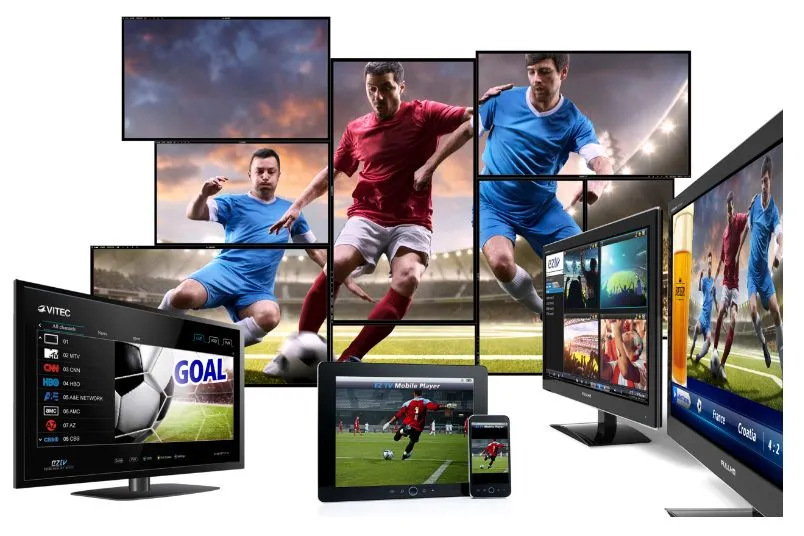
What is IPTV
IPTV, or Internet Protocol Television, is a technology that allows you to stream live or on-demand video and audio content over a network, such as the Internet or a private intranet. IPTV can be used to deliver content to remote locations, such as rural areas, offshore platforms, or military bases, where traditional broadcast or cable services may not be available or reliable. In this article, you will learn how IPTV works, the benefits and challenges of using it for remote content delivery, and best practices and tips for optimizing your IPTV system.
How IPTV works
IPTV uses IP packets to transmit video and audio data from a source to a destination. This could be a server, a content provider, or a live event. This could be a set-top box, smart TV, computer, tablet or smartphone. IP packets are routed through a network, which can be public or private, wired or wireless, and uses different protocols and standards. IPTV can use different formats and codecs to compress and encode content, such as MPEG-2, MPEG-4, H.264 or HEVC. IPTV can also use different delivery methods, such as multicast, unicast, or adaptive bitrate streaming, depending on network conditions and bandwidth availability.
Importance of Internet Connection for IPTV
We’ve mentioned before on our IPTV blog that IPTV needs an internet connection to work. However, having a one-of-a-kind experience when using these services depends on other factors, such as the quality of that internet connection and the device where you’ll stream IPTV content.
HOW DOES IPTV WORK?
For the user, using IPTV is extremely simple. All you need is an internet connection with sufficient bandwidth and a compatible system. In France, a preferred means of accessing IPTV is often the TV box from your internet service provider (ISP). The television experience thus remains centralized within the operator’s services. Advanced features like saving and resuming a program from the beginning are usually offered.
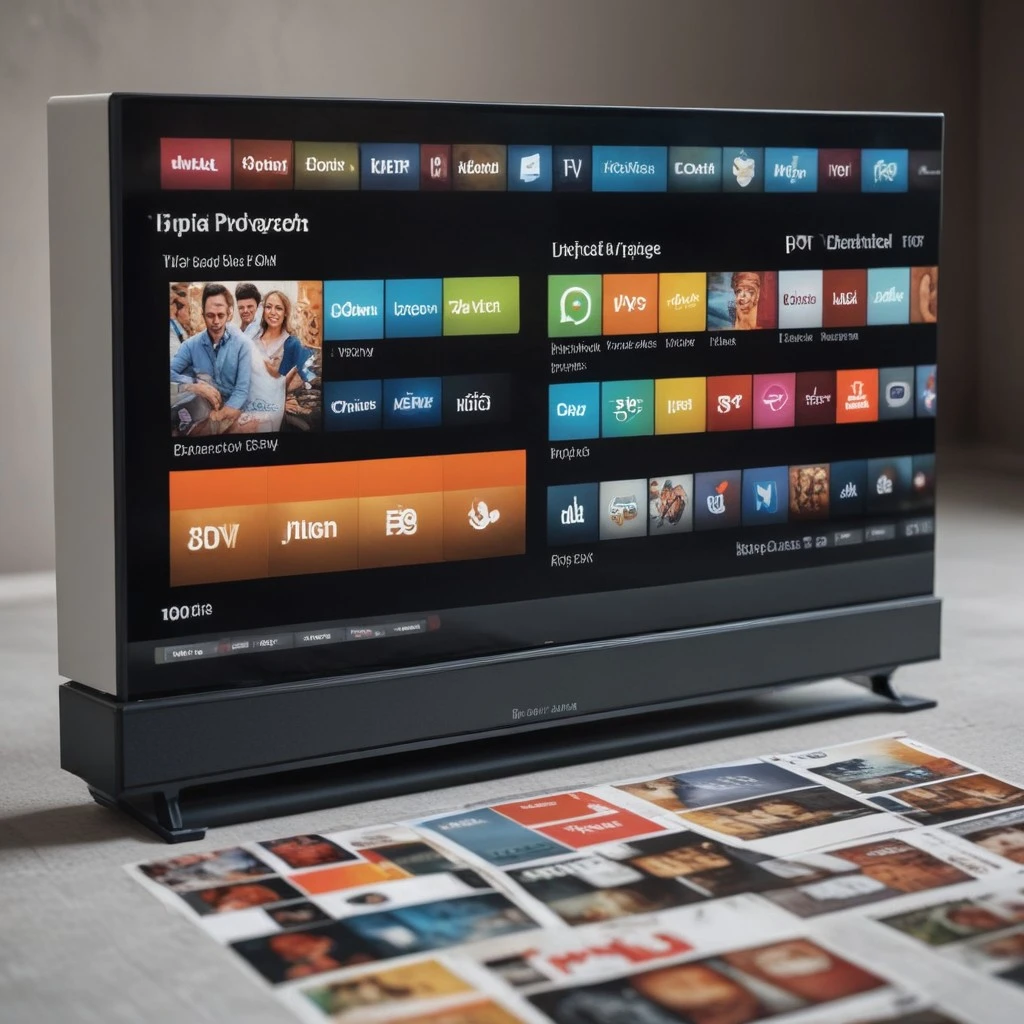
Otherwise, a Smart TV, a TV box (Nvidia Shield, Xiaomi Mi Box, Apple TV, etc.), a TV dongle (Fire TV Stick), a computer, a tablet or a smartphone provide access to IPTV-based services. . Today, even game consoles, home or portable (PlayStation, Xbox, etc.) are used for these purposes. On most video streaming platforms, it is necessary to create an account to start viewing content. Some also require a paid subscription.
WHAT IS THE DIFFENCE BETWEEN IPTV AND NORMAL TELEVISION
First of all, because companies that offer IPTV reserve an amount of bandwidth, this ensures that the transmission of channels is always of good quality. However, this is not always the case with traditional television which, due to interference or weather problems, can suffer cuts or loss of signal quality.
In addition, with IPTV, you are no longer dependent on a cable to receive the signal. This means that you can watch TV from any device: smartphone, tablet, computer… So you no longer have to stay in the living room to enjoy your favorite shows.
Another advantage of IPTV is the ability to record programs, save the content to the set-top box and rewind live programs. Traditional television does not allow its functionalities, it simply offers to watch the live broadcast of each channel.
IPTV Best Practices and Tips for Remote Content Streaming
To optimize your IPTV system for remote content delivery, you must plan and design your network carefully, taking into account network topology, bandwidth capacity, devices, delivery methods, formats and codecs, as well as security and regulatory requirements. It is also important to regularly monitor and troubleshoot your IPTV network using the right tools. Optimize and regularly update your IPTV network with techniques such as network optimization, load balancing, caching or CDN services. Additionally, it is essential to educate and support your IPTV users by providing them with clear and comprehensive information, instructions and guidelines, as well as technical and customer support.
HOW TO CHOOSE YOUR IPTV SUBSCRIPTION
The choice of IPTV subscription depends on the user’s personal needs and preferences. To make your choice easier, several elements should be taken into account:
- Content: it is important to check that the IPTV service offers channels and programs that the user wants to watch. Some services offer a wide selection of channels, others a more limited number.
- Image quality: If the user has a high definition or 4k television, it is important for them to ensure that the IPTV service offers image quality suited to their equipment.
- Compatibility: It is necessary that the IPTV service is compatible with the equipment; television, smartphone, tablet, computer or decoder.
- Reliability: It is important to look for opinions and comments from other users to find out if the IPTV service is reliable and stable (whether the playback of films or series is smooth, for example).
- Security: You must pay attention to the legality of the IPTV service and be certain that it does not present risks to the computer security or confidentiality of the user.
- Price: There are many IPTV subscriptions at different prices. Comparing the different offers also allows you to choose the one that best suits your budget.